In Asia’s fast-growing financial landscape, access to credit is both an opportunity and a challenge. Millions of people, particularly young professionals, gig workers, and first-time borrowers, struggle to qualify for traditional credit cards due to limited or nonexistent credit histories. This segment—often referred to as “thin-file borrowers”—has become a key focus for banks and fintechs seeking to expand financial inclusion across the region.
A secured credit card in Asia is one of the most effective solutions for these individuals to build credit safely and strategically. Unlike standard cards, secured credit cards require users to deposit collateral—usually a refundable cash amount—that serves as their credit limit. This structure reduces the bank’s risk while allowing borrowers to demonstrate responsible credit behavior.
As Asia transitions toward a more digital and inclusive financial ecosystem, secured cards are emerging as a bridge between unbanked populations and formal credit systems. In countries such as India, the Philippines, Malaysia, and Indonesia, the adoption of secured cards has grown significantly, supported by fintech partnerships and government-backed credit education programs.
This article explores how secured credit cards work, their advantages, key issuers, and best practices for building credit efficiently. Whether you’re a first-time borrower, student, or small business owner, understanding secured credit can help you establish a strong financial foundation in one of the world’s most dynamic regions.
Understanding Secured Credit Cards
A secured credit card is designed to help individuals with limited or poor credit histories gain access to credit. It operates similarly to a regular credit card but requires a security deposit—often between $200 and $1,000—which becomes the user’s credit limit.
When cardholders make purchases and pay their balances on time, their repayment activity is reported to credit bureaus, gradually building their credit profile. If the account remains in good standing, the bank may eventually refund the deposit and upgrade the user to an unsecured card.
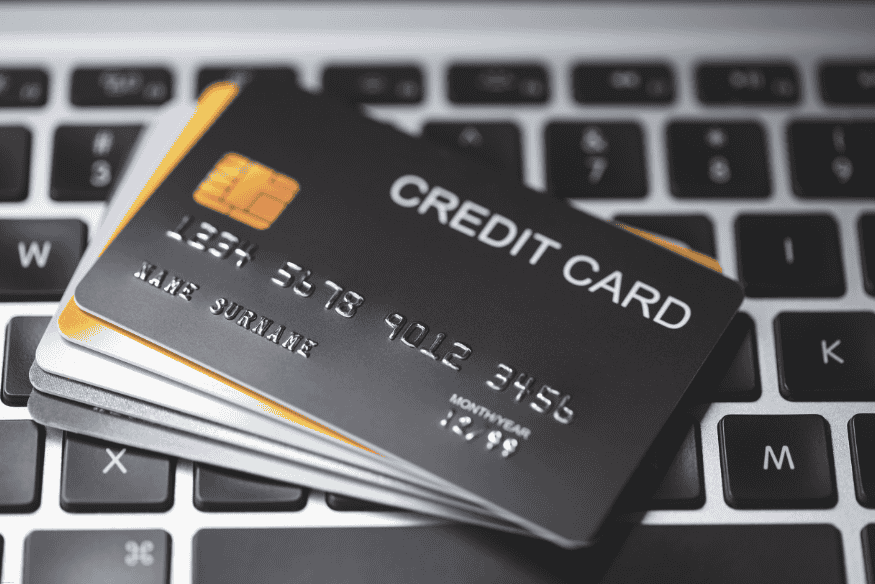
This model minimizes risk for both lender and borrower. For the bank, the deposit acts as collateral; for the customer, it provides a safe, structured way to demonstrate reliability.
Secured credit cards have become increasingly popular across Asia as financial institutions recognize the need to include thin-file borrowers in the credit system. They serve as an entry point to long-term financial empowerment, teaching users discipline and helping them transition to broader financial services.
Why Thin-File Borrowers Struggle to Get Credit
Thin-file borrowers are individuals with little to no credit history, making it difficult for lenders to assess their creditworthiness. This group includes students, freelancers, migrants, and first-time professionals. In many Asian countries, credit scoring systems are still developing, relying heavily on traditional employment records or income documentation—criteria that exclude millions of informal economy workers.
Additionally, cultural aversion to debt plays a role. Many Asians prefer using cash or debit cards, meaning fewer recorded transactions for credit assessment. Without active credit lines, even financially responsible individuals may face rejection when applying for loans or credit cards.
The result is a cycle of exclusion: without credit history, they cannot access credit; without credit, they cannot build a history.
Secured credit cards break this cycle. By tying credit access to a cash deposit rather than prior creditworthiness, they offer an inclusive and low-risk entry point into formal finance. For many, this is the first step toward building a recognized credit score, enabling future access to personal loans, auto financing, and even home mortgages.
Benefits of Secured Credit Cards in Asia
A secured credit card in Asia provides numerous benefits that go beyond basic borrowing.
- Credit Building: Timely payments are reported to major credit bureaus, helping users establish or repair credit histories.
- High Approval Rates: The collateral deposit reduces lender risk, increasing approval chances.
- Financial Education: Cardholders learn essential money management skills through real spending limits.
- Safety and Control: The deposit-backed model prevents overspending and helps maintain financial discipline.
- Upgrade Opportunities: Consistent positive behavior often leads to an unsecured card or higher credit limit.
In markets like India and the Philippines, secured cards also serve as tools for financial literacy. Banks and fintechs often provide in-app guidance, reminders, and budgeting tools to encourage responsible use. For thin-file borrowers, these cards act as stepping stones toward broader financial access and independence.
The Role of Banks and Fintechs
Banks and fintech startups across Asia are playing a pivotal role in promoting secured credit cards as instruments of financial inclusion.
Traditional banks such as HSBC, ICICI Bank, DBS, and Maybank offer secured card options tied to savings or fixed deposit accounts. This integration makes it easy for users to transition from savers to credit holders.
Meanwhile, fintech platforms are reimagining secured credit through digital onboarding, app-based management, and flexible deposit structures. Companies like Kissht (India), TNG Digital (Malaysia), and G-Xchange (Philippines) are collaborating with financial institutions to simplify access and speed up approval times.
Fintechs also use alternative data—like mobile payment history, e-commerce behavior, or utility bill payments—to evaluate applicants. This innovation makes credit more inclusive and accessible, particularly for younger users who lack formal financial records.
By combining traditional banking reliability with digital efficiency, these partnerships are transforming how secured credit cards are issued and used across Asia.
How to Use a Secured Credit Card Responsibly
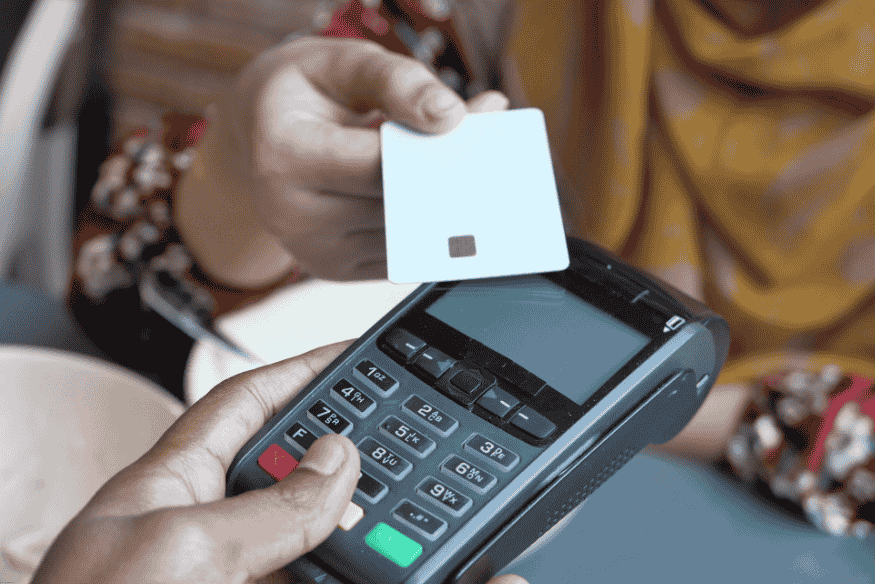
Responsible usage is essential for maximizing the benefits of a secured credit card. The goal is not just to access credit but to build a positive credit reputation.
Key practices include:
- Pay on Time: Late payments damage credit scores. Set reminders or enable auto-pay features.
- Keep Balances Low: Aim to use less than 30% of your credit limit to maintain a healthy utilization rate.
- Monitor Statements: Regularly check for errors or unauthorized charges.
- Avoid Unnecessary Cancellations: Long-standing accounts improve your credit history.
- Track Credit Reports: Review your credit score periodically to measure progress.
Consistency matters. Positive habits demonstrate reliability to lenders, paving the way for unsecured cards, higher limits, or future loans. In Asia’s credit-based economies, these behaviors can open doors to more significant financial opportunities.
Secured vs. Unsecured Credit Cards
While both card types function similarly, their structure and eligibility differ:
| Feature | Secured Credit Card | Unsecured Credit Card |
|---|---|---|
| Collateral | Required (cash deposit) | Not required |
| Approval Difficulty | Easier | Depends on credit history |
| Credit Limit | Equal to deposit | Based on credit score |
| Risk | Lower for banks | Higher for banks |
| Target User | Thin-file or rebuilding borrower | Established credit user |
For beginners or individuals with poor credit, a secured card offers a safer and more achievable path. Once a positive payment history is built, upgrading to an unsecured card becomes the natural next step.
This progression reflects Asia’s evolving financial ecosystem—where inclusion and innovation go hand in hand to empower responsible borrowers.
Regional Adoption and Trends
Secured credit cards are gaining momentum across Asia, with adoption patterns shaped by local economies and consumer behavior.
- India: Major banks offer secured cards linked to fixed deposits, such as ICICI Coral and Axis InstaEasy.
- Philippines: BPI and Security Bank cater to first-time borrowers with accessible secured options.
- Indonesia and Malaysia: Fintech collaborations drive innovation, offering mobile-first card issuance and management.
- Singapore and Hong Kong: Secured cards are popular among expatriates and students establishing new credit histories.
Government initiatives promoting financial inclusion—such as India’s Jan Dhan Yojana or the Philippines’ National Strategy for Financial Inclusion—support the growth of these products. With Asia’s expanding middle class and digital adoption, secured credit cards are expected to play a long-term role in bridging financial access gaps.
The Importance of Credit Scores in Asia
Credit scores are becoming central to financial life across Asia. They determine eligibility for loans, housing, and even employment in some sectors. Yet millions still lack formal credit records.
Secured credit cards provide a structured way to build or repair scores through consistent repayment activity. Each timely payment strengthens an individual’s credit profile, signaling trustworthiness to future lenders.
As financial systems in Asia become more interconnected, regional credit reporting agencies like CTOS (Malaysia), CIC (Philippines), and CIBIL (India) are expanding coverage. This improved transparency helps lenders assess risk more accurately, ultimately benefiting responsible borrowers.
For individuals, building a strong credit score is no longer optional—it’s a necessity for financial independence and upward mobility.
Challenges Facing Secured Credit Card Users
Despite their benefits, secured cards are not without challenges. Some users struggle to provide the required deposit, especially in lower-income segments, where liquidity constraints make it difficult to lock up funds. This limitation can discourage potential applicants who could otherwise use secured cards to build credit. Additionally, economic disparities across Asia mean that deposit requirements vary widely, often excluding individuals who lack formal banking access or stable employment.
Others misuse credit by maxing out limits or missing payments, which can hurt scores rather than improve them. Mismanagement often stems from limited financial literacy—many users fail to understand how credit utilization or repayment timing affects credit scores. This lack of awareness can transform a beneficial tool into a long-term liability.
Awareness also remains limited. Many potential users don’t know that secured cards exist or misunderstand how they work, confusing them with prepaid or debit cards. In some markets, high annual fees, hidden charges, or overly restrictive terms reduce their appeal, further limiting adoption.
To address these issues, financial institutions must invest in education, transparency, and affordability. Partnerships between banks, fintechs, and governments can provide low-deposit options, mobile onboarding, and multilingual customer support. Digital platforms can play a key role in guiding new users toward responsible credit management through personalized financial coaching and progress tracking.
With improved awareness, flexible deposit requirements, and accessibility, secured credit cards can evolve from niche tools into mainstream instruments for financial empowerment in Asia—helping millions transition from cash dependency to formal financial participation.
The Role of Financial Education
Financial literacy is critical for maximizing the benefits of secured credit cards. Across Asia, governments and private organizations are launching programs to teach credit basics, budgeting, and debt management.
Schools, community centers, and digital platforms are integrating personal finance education into their curricula. Fintech apps now include built-in learning tools that explain interest, credit utilization, and repayment strategies in simple, localized languages.
Informed consumers are better equipped to manage secured cards effectively—avoiding debt traps and building lasting financial health. By combining credit access with education, Asia is fostering a generation of financially confident, responsible borrowers.
Future of Secured Credit Cards in Asia
The future of secured credit card Asia is bright. As digital finance expands, these products will evolve into smarter, tech-integrated tools offering personalized insights and automated savings features.
Artificial intelligence will enable dynamic credit limits based on spending behavior, while blockchain technology could enhance transparency and security. Fintech partnerships will further reduce entry barriers, allowing even unbanked individuals to build credit through alternative data.

Regulatory support will also play a key role. Governments emphasizing inclusion and fair lending will continue encouraging banks to offer secured credit options.
In the coming years, secured credit cards are set to become a cornerstone of Asia’s inclusive finance movement—bridging the gap between aspiration and access for millions of new borrowers.
Conclusion
A secured credit card in Asia offers more than just a payment tool—it’s a pathway to financial inclusion, independence, and opportunity. For thin-file borrowers, students, and freelancers, it represents a first step toward establishing a formal credit history and achieving financial confidence.
When used wisely, secured credit cards teach discipline, build trust with lenders, and open doors to long-term credit access. The key lies in consistency, timely payments, and awareness of how credit systems function.
As Asia continues its digital and economic transformation, secured cards will remain vital in empowering the next generation of borrowers. They exemplify how technology, education, and responsible finance can work together to create a more inclusive, equitable, and prosperous financial future for all.