Digital payments have transformed the way people across Asia handle money. From bustling cities like Singapore and Tokyo to emerging economies like India, Vietnam, and Indonesia, consumers are shifting from cash to mobile-based payment systems powered by UPI and QR technologies. These innovations are redefining convenience, reducing transaction costs, and driving the region toward a fully cashless future.
The Unified Payments Interface (UPI)—originally developed in India—has become a global benchmark for instant, low-cost, and interoperable digital payments. Meanwhile, QR (Quick Response) code-based payments have become ubiquitous in countries such as China, Malaysia, and Thailand, enabling anyone with a smartphone to pay seamlessly at shops, restaurants, and even roadside stalls.
For consumers, the benefits are clear: faster transactions, zero or minimal fees, and greater financial accessibility. For merchants, UPI and QR payments reduce the dependence on costly point-of-sale terminals and expand business opportunities, especially in remote or unbanked areas.
This article explores how UPI and QR payment systems work, their adoption across Asian countries, the key platforms driving the trend, and practical ways to make the most of these technologies. Whether you’re an entrepreneur, traveler, or everyday consumer, understanding UPI QR payments Asia is essential to navigating the region’s digital financial landscape efficiently and securely.
Understanding UPI and QR Payment Systems
The Unified Payments Interface (UPI) is a real-time payment system that allows instant money transfers between bank accounts through mobile apps. Developed by the National Payments Corporation of India (NPCI), UPI eliminates the need for traditional bank details—users simply link their bank account to a mobile app and can send or receive money using a virtual ID, mobile number, or QR code.
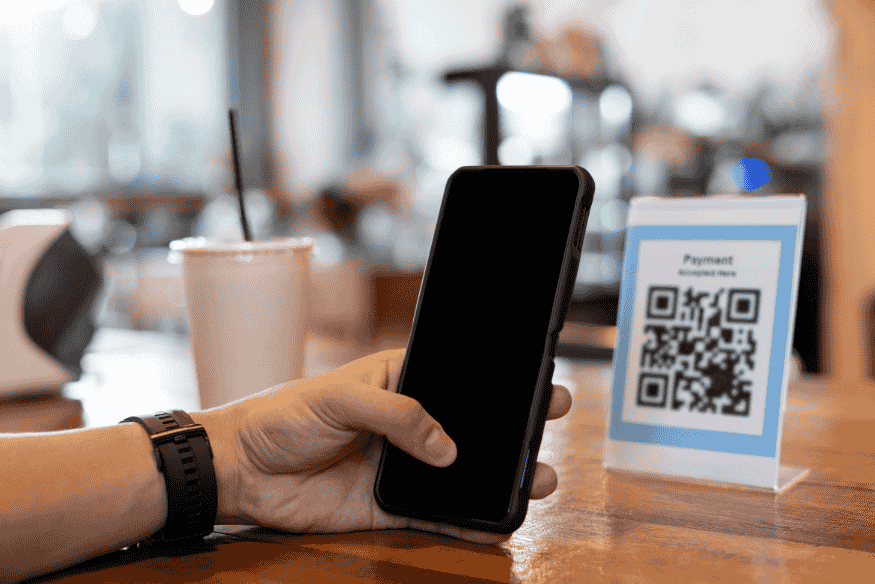
QR payments, on the other hand, rely on scannable codes that encode payment information. When a customer scans a merchant’s QR code, the app processes the payment instantly from their digital wallet or linked account. These systems don’t require expensive hardware, making them ideal for small businesses and informal markets.
In Asia, the combination of UPI and QR technologies has revolutionized financial inclusion. They empower millions of people who lack credit cards or access to traditional banking. Countries like India, China, Thailand, and Singapore have become global pioneers, showing how digital infrastructure can make payments faster, safer, and cheaper for everyone.
The Rise of Digital Payments in Asia
Asia is the epicenter of the global digital payments revolution. With smartphone penetration surpassing 85% in several markets, consumers are embracing mobile payments at unprecedented rates. Governments and fintech innovators are playing a crucial role by promoting interoperable systems like UPI, PromptPay (Thailand), DuitNow (Malaysia), and QRIS (Indonesia).
India’s UPI is a prime example. In 2024 alone, it processed more than 12 billion transactions per month, accounting for a significant portion of India’s digital payment volume. Similarly, China’s WeChat Pay and Alipay have set global standards for QR payments, integrating shopping, transport, and financial services in one platform.
Cross-border initiatives are also emerging. For instance, the Nexus project, led by the Monetary Authority of Singapore and the Bank of Thailand, connects UPI and PromptPay systems to enable seamless international payments. This collaboration marks a new era of interconnected fintech ecosystems across Asia.
The region’s growth in digital payments reflects a shift toward accessibility, efficiency, and inclusivity—helping both urban professionals and rural entrepreneurs participate in the modern economy.
Benefits of Using UPI and QR Payments
The advantages of UPI QR payments Asia are extensive, offering benefits to consumers, merchants, and financial institutions alike.
- Speed and Convenience: Instant transfers eliminate the need for cash or card swipes.
- Low Fees: Most UPI and QR transactions have zero or minimal charges.
- Accessibility: Users only need a smartphone and internet connection.
- Security: Encrypted transactions reduce the risk of fraud and data theft.
- Financial Inclusion: Enables participation for unbanked and underbanked individuals.
For merchants, QR systems offer an affordable way to accept digital payments without investing in point-of-sale machines. Customers, on the other hand, enjoy smoother experiences and better record-keeping through digital receipts.
These benefits are transforming how people across Asia manage their finances—simplifying daily transactions while reducing costs for both consumers and businesses.
Key Platforms Driving Adoption in Asia
Several major platforms and fintech companies are leading the expansion of UPI and QR payments in Asia.
- India: Google Pay, PhonePe, Paytm, and BHIM dominate the UPI ecosystem, connecting hundreds of millions of users.
- China: Alipay and WeChat Pay remain the backbone of QR-based transactions.
- Thailand: PromptPay, supported by the central bank, links citizens and small enterprises effortlessly.
- Malaysia: DuitNow QR integrates multiple banks and e-wallets under a single national QR system.
- Indonesia: QRIS simplifies merchant payments by standardizing QR codes across the country.
Cross-border collaborations are also increasing. For example, Singapore’s PayNow now connects with India’s UPI, enabling instant international transfers at low cost. This growing interoperability shows how Asia is leading the global digital payments infrastructure.
Security and Fraud Prevention
Security is critical for maintaining trust in digital payments. Both UPI and QR systems in Asia employ multi-layer encryption, two-factor authentication, and real-time fraud detection. For instance, UPI apps use device binding and UPI PINs, ensuring only authorized users can complete transactions.
Governments and banks are continuously improving standards to protect users from phishing, fake QR codes, and identity theft. Educational campaigns in countries like India, Malaysia, and Thailand teach consumers to verify merchants and avoid suspicious links.
Meanwhile, advanced AI tools now monitor transaction behavior, flagging anomalies that could indicate fraud. The integration of biometric verification—such as fingerprint or facial recognition—further enhances security across mobile payment apps.

Ultimately, as UPI and QR systems continue to evolve, user awareness remains equally important. Responsible usage and adherence to security best practices ensure that convenience never compromises safety.
Cross-Border Payment Integration
Cross-border interoperability represents the next frontier for UPI QR payments Asia. Historically, sending money across countries involved high fees and lengthy processes. Today, partnerships between national payment networks are revolutionizing international transfers.
The UPI–PayNow integration between India and Singapore is a landmark example, allowing instant fund transfers between bank accounts in the two countries. Similarly, Thailand’s PromptPay is linking with Malaysia’s DuitNow to facilitate cross-border QR payments.
These collaborations benefit expatriates, small businesses, and travelers, enabling cost-effective remittances and purchases abroad. As more nations join this network, Asia could soon establish a unified regional payment infrastructure, reducing dependence on expensive intermediaries like SWIFT.
This seamless integration not only strengthens regional economies but also positions Asia as a global leader in real-time financial innovation.
How to Save Fees and Maximize Value
One of the biggest attractions of UPI and QR payments is the potential to save on fees. Traditional card payments often involve processing charges of 1–3%, whereas UPI and QR-based systems usually operate with near-zero fees.
To maximize savings:
- Choose government-backed or regulated apps like BHIM, PayNow, or DuitNow.
- Avoid cross-currency transactions unless using an official partner platform.
- Take advantage of cashback offers and rewards from fintech apps.
- Link your bank account directly instead of using prepaid wallets to minimize transfer fees.
By combining strategic app usage and awareness of exchange rates, consumers can cut costs while enjoying seamless, instant transactions across Asia.
The Role of Governments and Central Banks
Government support has been pivotal in expanding UPI and QR systems across Asia. Central banks have implemented regulations that encourage interoperability, standardization, and consumer protection.
For example, India’s Reserve Bank of India (RBI) and the National Payments Corporation of India (NPCI) oversee UPI’s operations, ensuring transparency and stability. The Bank of Thailand, Bank Negara Malaysia, and Monetary Authority of Singapore have implemented similar frameworks for their national QR systems.
These policies promote fair competition among fintech providers and ensure that digital transactions remain secure and affordable. Government-backed education campaigns also increase public trust, particularly among rural populations new to digital finance.
This regulatory alignment is positioning Asia as a global benchmark for inclusive and resilient digital payment systems.
UPI and QR Payments for Small Businesses
Small businesses across Asia are among the biggest beneficiaries of UPI and QR adoption. With minimal setup requirements, even micro-entrepreneurs—street vendors, taxi drivers, and market sellers—can now accept digital payments instantly.
This accessibility increases sales opportunities, reduces the risk of theft associated with cash handling, and improves record-keeping for business growth. Many fintech apps also offer additional features, such as automated invoicing, analytics, and access to microloans based on transaction history.
In countries like India and Indonesia, QR payments have become a cornerstone of entrepreneurship, enabling millions to participate in the formal economy. By leveraging these systems, small businesses can thrive in an increasingly digital marketplace.
The Role of Fintech Innovation in UPI and QR Growth
Fintech innovation has been a key driver in the rapid expansion of UPI QR payments Asia, bridging the gap between traditional banking and next-generation finance. Startups and digital-first companies across the region are constantly developing new ways to make payments faster, safer, and more user-friendly.
In India, platforms like PhonePe, Google Pay, and Paytm have integrated loyalty rewards, investment options, and credit access directly into UPI apps, turning them into all-in-one financial ecosystems. Meanwhile, in Southeast Asia, fintech firms such as Grab, ShopeePay, and GCash are expanding QR payment infrastructure across retail, transport, and online commerce.
These platforms leverage AI, data analytics, and machine learning to personalize user experiences and detect fraudulent transactions in real time. Collaboration between fintechs and traditional banks has also accelerated digital inclusion, enabling millions of users—especially those without credit histories—to participate in digital finance.
By promoting interoperability, innovation, and transparency, fintech players are ensuring that UPI and QR payments continue to evolve as the foundation of Asia’s financial revolution. Their agility and creativity make them vital partners in shaping a smarter, more inclusive digital payment ecosystem.
UPI and QR Payments in Rural and Emerging Markets
One of the most transformative impacts of UPI QR payments Asia is their ability to reach rural and underserved populations. In countries such as India, Indonesia, and Vietnam, where access to traditional banking is limited, mobile-based payment systems are empowering millions to participate in the formal economy for the first time.
Through low-cost smartphones and simplified mobile apps, farmers, small traders, and local artisans can now send and receive money instantly. QR payments have also made it easier for local markets and small enterprises to accept cashless transactions without the need for expensive hardware.
Government initiatives, including India’s “Digital India” and Indonesia’s “Gerakan Nasional Non Tunai,” are actively promoting these technologies through subsidies, education, and infrastructure support. Local fintech companies further enhance accessibility by developing multilingual apps tailored to regional needs.
As connectivity improves, rural adoption of UPI and QR systems is expected to accelerate, driving financial inclusion and economic growth. This democratization of payments marks a major step toward reducing inequality and creating a more connected and empowered Asia.
Future Trends in Digital Payments
The future of UPI QR payments Asia lies in deeper integration with emerging technologies. Innovations such as AI-driven fraud detection, biometric verification, and CBDCs (Central Bank Digital Currencies) will enhance efficiency and security.

Moreover, Asia’s growing cooperation on cross-border standards will transform how money moves internationally. The integration of blockchain-based systems could further reduce costs and settlement times.
As digital identity solutions expand, expect personalized financial ecosystems where payments, lending, and savings seamlessly coexist. This evolution will empower millions across Asia to access financial services once considered unreachable.
Conclusion
The rise of UPI and QR payments is revolutionizing Asia’s financial landscape. These systems have made digital transactions faster, safer, and more inclusive—bridging the gap between traditional banking and modern technology.
For consumers, the benefits are clear: lower fees, instant transfers, and simplified payments. For businesses, it’s an opportunity to grow in a cashless economy with greater transparency and efficiency.
As governments and fintechs continue to collaborate, UPI and QR systems will become even more integrated, fostering cross-border innovation and regional financial unity. Embracing these tools today not only saves money but also positions individuals and businesses at the forefront of Asia’s digital transformation.