GCash Review: Is the Philippines' Most Popular E-Wallet Worth Making Your Main Financial App?
GCash is everywhere in the Philippines, but is it the right financial tool for you? Here's an honest look at its features, limits, and real-world value.
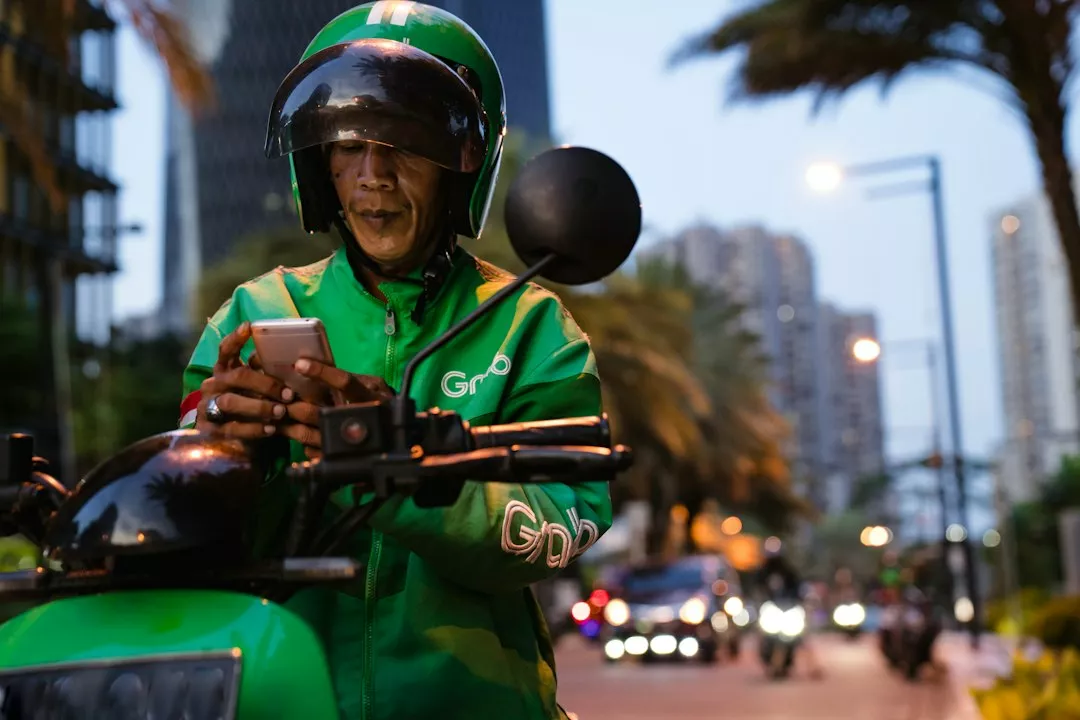
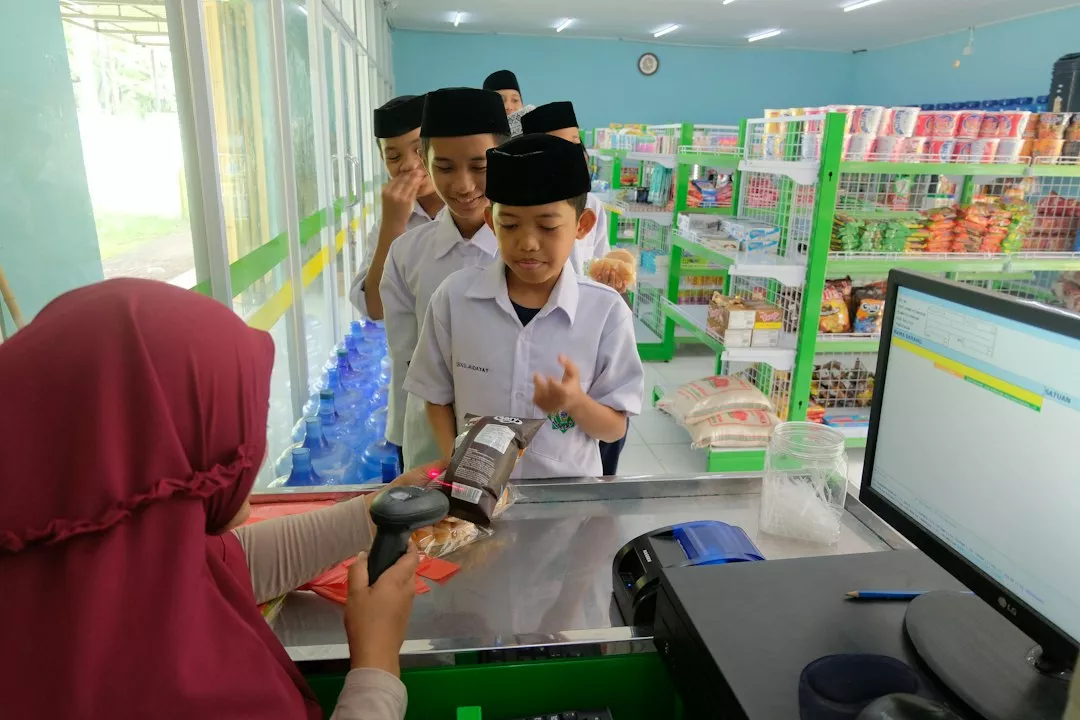
Walk into almost any sari-sari store, grab a seat at a busy food court in SM, or try to split a dinner bill with friends in Manila, and chances are someone will say, 'GCash na lang tayo.' The app has become so woven into everyday Filipino life that it almost feels odd if you don't have it installed. But using something out of habit and using it wisely are two different things. So I want to take a proper look at what GCash actually offers, where it genuinely shines, and where you need to manage your expectations before you go all-in.
What GCash Actually Is
GCash is a mobile wallet operated by G-Xchange Inc., a subsidiary of Globe Telecom. It is regulated by the Bangko Sentral ng Pilipinas (BSP) as an electronic money issuer, which means it holds a licence to store and transfer value on your behalf — it is not a bank, but it operates under a formal regulatory framework that gives users a meaningful layer of protection.
The core of GCash is simple: you load money in, and you can spend, send, or invest it from your phone. But what has made GCash the dominant player in the Philippine digital payments space is how many things it has stacked on top of that simple foundation — bills payment, QR code payments, international remittances, micro-investments, micro-insurance, buy now pay later, and even a savings feature called GSave that is powered by partner banks like CIMB Bank PH.
Loading and Cashing Out
One of the first questions anyone asks about a mobile wallet is how easy it is to get money in and out. GCash has done a genuinely good job here. You can load through over-the-counter partners like 7-Eleven, Puregold, and SM, through online banking linked accounts, through your credit or debit card, or through partner remittance outlets. The network is wide enough that even people in provincial areas can usually find a loading point within a short distance.
Cash-out works through partner outlets and ATMs linked to BancNet. If you have a verified GCash account, you can withdraw through GCash-affiliated ATMs, which removes the friction of needing a physical bank card for basic access to your cash. The fees for cash-out vary depending on the channel you use, so it is worth checking the GCash app's current fee schedule before committing to a regular routine.
Account verification matters a lot with GCash. An unverified account comes with strict transaction and wallet limits set by the BSP's tiered e-money account framework. Once you verify your identity — typically by uploading a valid government ID — your wallet limits increase substantially and you unlock access to most of the platform's financial features.
The Features That Actually Add Value
QR Payments and Bills
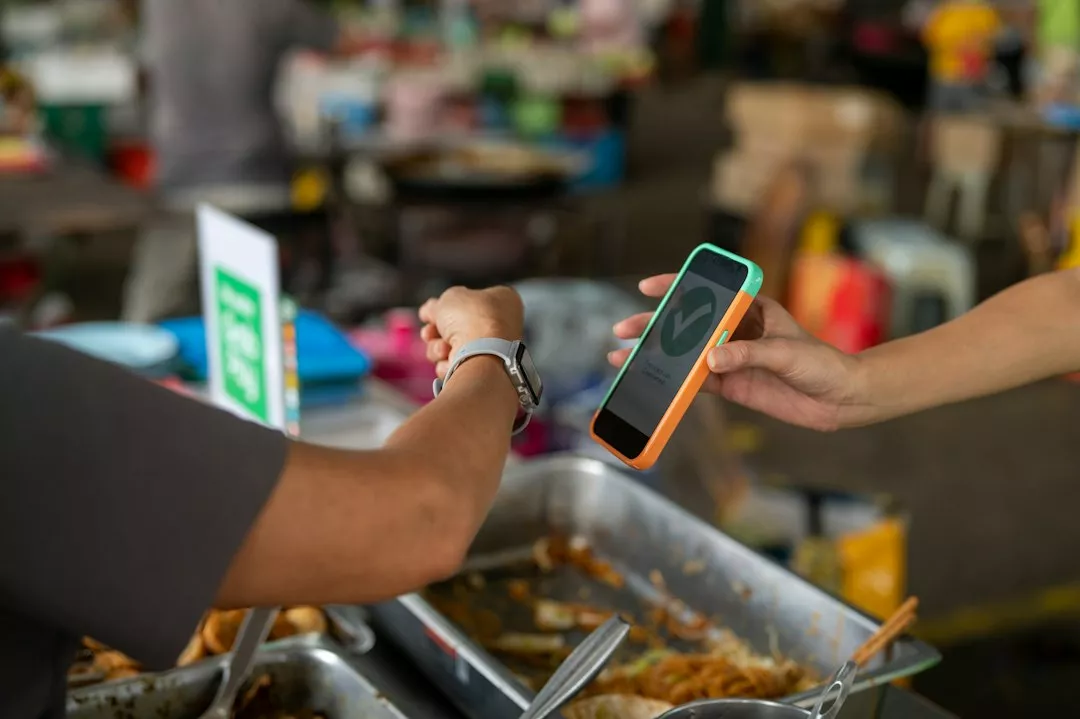
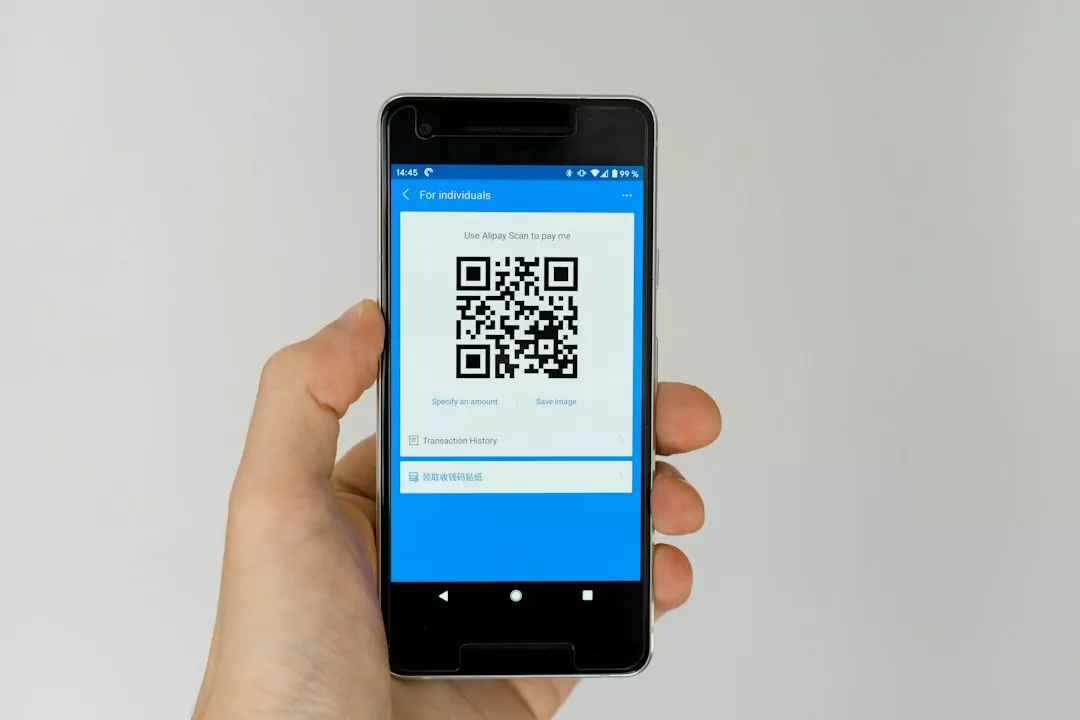
For day-to-day use, GCash's QR payment integration via the national QRPh standard is genuinely useful. Most major merchants, groceries, pharmacies, and even smaller food stalls now display a GCash QR code. You scan, confirm the amount, and you're done — no card swipe, no change counting. It is fast, and for someone who finds carrying cash annoying, it solves a real problem.
Bills payment through GCash covers a long list of utilities, telcos, insurance premiums, government payments like SSS and PhilHealth contributions, and credit card bills. It saves a lot of queuing time, which for anyone who has stood in a Meralco payment line on a Friday afternoon needs no further explanation.
GSave and GInvest
GSave is a savings account you open through GCash, currently backed by partner banks. The interest rates offered are typically higher than what a basic passbook account at a traditional bank pays, though the exact rates vary depending on which partner bank is active and what their current promotional rate happens to be. You should always check the GCash app directly for the current figure before treating it as a fixed return.
GInvest opens access to mutual funds managed by regulated fund houses, with a very low minimum entry point — making it genuinely accessible to first-time investors who might feel intimidated by walking into a branch and asking about UITFs. If you're curious about broader digital investment options, the rise of app-based tools is part of a wider shift explored in the context of BPI's digital features, which shows how even traditional banks are moving in a similar direction.
GLoan and GCredit
GCash has also moved into credit through GCredit, a revolving credit line, and GLoan, a personal loan facility. Both are powered by Fuse Lending, a BSP-registered lending company. Eligibility depends on your GScore — a proprietary scoring metric GCash builds based on how you use the app. People who regularly load, transact, pay bills, and save tend to unlock higher credit access over time. This is one of the more interesting aspects of GCash from a financial inclusion standpoint, because it reaches people who might not qualify for a traditional bank loan.
That said, borrowing through any platform comes with interest costs, and GLoan rates should be compared carefully against other options before you commit. The BSP publishes guidelines on consumer lending disclosures that all regulated lenders must follow, which gives you a benchmark for what information you are entitled to before signing up.
Where GCash Has Limitations
No financial tool is perfect for everything, and GCash has a few areas worth being honest about.
First, it is not a bank. Your GCash wallet balance is not covered by the Philippine Deposit Insurance Corporation (PDIC) the same way a deposit in a BSP-licensed bank is protected up to the PDIC’s maximum deposit insurance coverage. The GSave product operates through a partner bank arrangement, so funds there may carry different protections — worth clarifying directly with GCash or the partner institution if this matters to you.
Second, customer service has historically been a pain point for many users. Disputed transactions, locked accounts, and reversal requests can take time to resolve, and the chat-based support system is not always responsive when things go wrong. If you are dealing with significant amounts of money, having a backup account at a bank like BPI or another regulated institution gives you an important safety net.
Third, the app's stability under heavy load — such as during major sale events or system-wide outages — has caused frustration in the past. GCash has improved significantly over the years, but outages still happen occasionally and can be disruptive if you rely on it exclusively.
Who GCash Works Best For
GCash genuinely earns its place on most people's phones. It works particularly well for:
Freelancers and self-employed workers who need a quick way to receive payments, settle taxes online, and pay government contributions without lining up. Families receiving remittances from abroad, since GCash supports international transfers through partners like Western Union, Remitly, and others — which often means faster access to funds compared to waiting for a traditional bank credit. Young professionals who want to start investing in small amounts without the paperwork and minimum balance requirements of a traditional brokerage or UITF account at a bank.
For anyone thinking about how digital tools stack up against traditional banking, it is worth reading about how other major banks in the region have responded to the fintech shift. Our look at the Bank Mandiri Indonesia review shows how full-service banks in Southeast Asia have built their own super-app ecosystems as competition with wallets like GCash intensifies.
A Practical Way to Use GCash
My honest take is that GCash works best as a spending and convenience layer rather than as your sole financial home. Use it for daily transactions, bills, QR payments, and small top-ups to GSave for short-term goals. Keep your main savings and any amount you would be upset to lose in a PDIC-insured bank account. If you qualify for GLoan or GCredit, treat those as a last resort rather than a first call — the convenience of in-app borrowing can mask how quickly small loans add up.
The BSP's financial inclusion framework has explicitly supported the growth of e-money platforms like GCash as tools to bring more Filipinos into the formal financial system. That is a genuinely meaningful achievement — millions of Filipinos who had no bank account now have a verified digital financial identity. But inclusion is the starting point, not the finish line. Getting the most from GCash means using it as one part of a broader money plan, not the whole plan itself.
If you haven't verified your account yet, that is the single highest-return action you can take right now. It takes about ten minutes and unlocks almost everything the platform has to offer.

Rafael Cruz
Credit card expert and personal finance advisor based in Manila.