Indonesia's QRIS Explained: How the National QR Code Works for Shoppers and Small Merchants
A practical guide to QRIS, Indonesia's national QR payment standard: how it works, which apps support it, what merchants pay and how to use it safely.
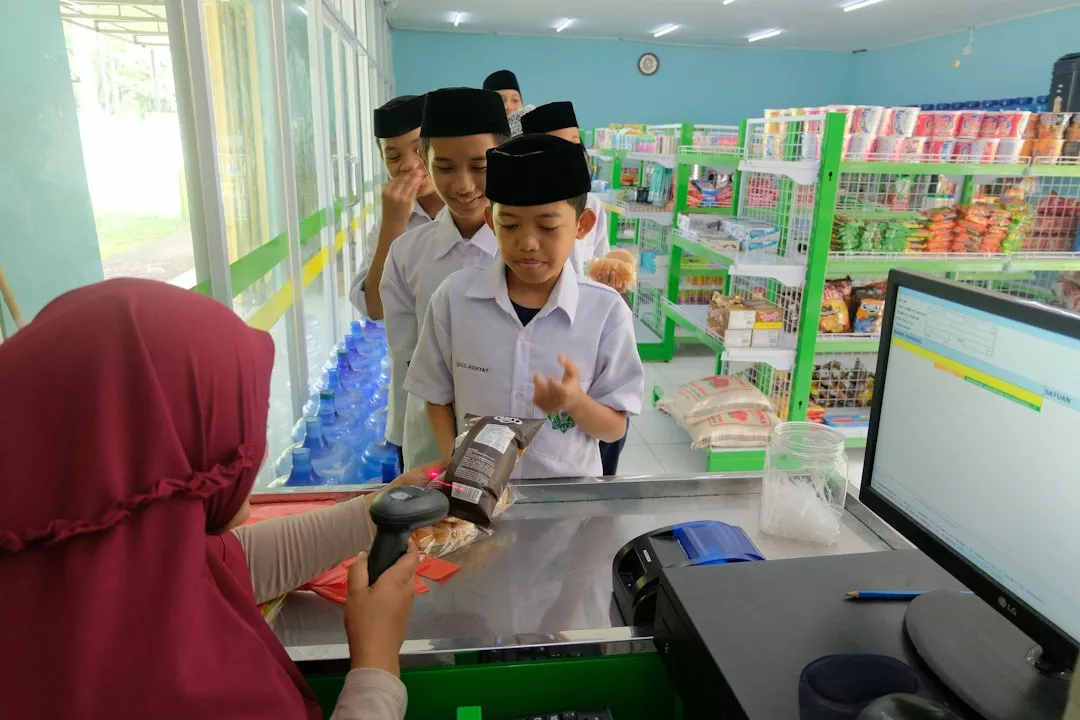
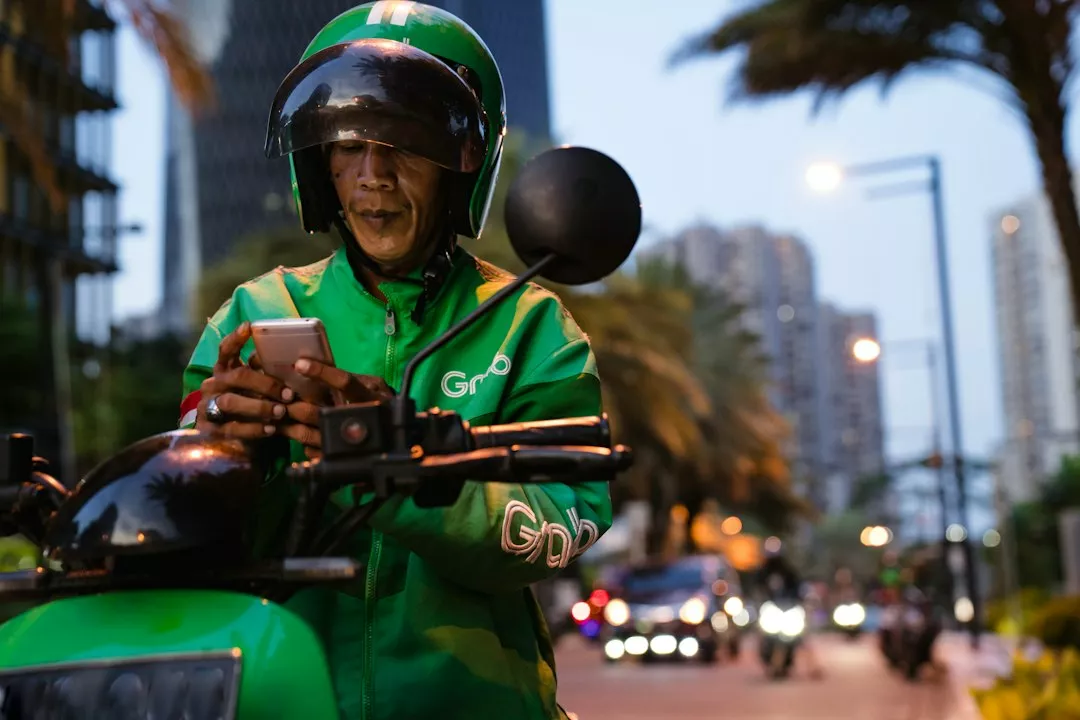
The first time I saw a street vendor in Indonesia accept payment from a banking app, a wallet and a different wallet, all through one printed square, I understood why people talk about QRIS so much. Instead of a stack of stickers from different providers, there was a single code on the counter. This guide walks through what QRIS actually is, how it behaves in daily life and where it still has limits.

What QRIS Actually Is
QRIS stands for Quick Response Code Indonesian Standard. It was introduced by Bank Indonesia together with the Indonesian Payment System Association to unify the many QR codes that different banks and e-wallets used to issue. Before it existed, a merchant who wanted to accept payments from several apps needed several codes, and customers had to hope their app matched the sticker on the till.
With QRIS, one code can be scanned by any participating app, whether it belongs to a bank or an e-wallet. The merchant receives funds through the provider they signed up with, and the customer pays from whichever app they prefer. You can read the central bank's own description of payment system policy on the Bank Indonesia website.
How It Works in Everyday Use
Paying as a customer
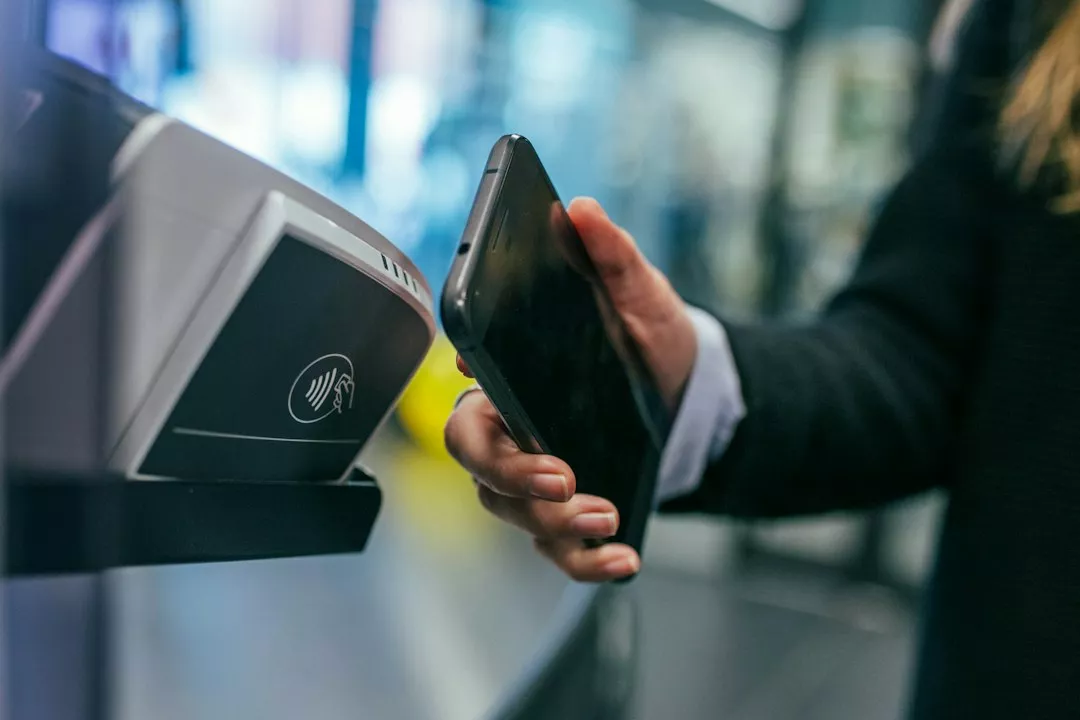
In practice the flow is simple. You open your banking app or e-wallet, choose the scan or pay option, point the camera at the merchant's code and confirm the amount. For a static code, you type the amount yourself. For a dynamic code shown on a screen or generated by the cashier, the amount is filled in automatically, which I find safer because there is less room for a typing slip.
Most major Indonesian banks and wallets support scanning. If you bank with a large lender, your mobile app almost certainly has a QRIS scanner built in. Our Bank Mandiri Indonesia review and BCA Bank Indonesia review cover the wider digital features of those two banks, including how their apps handle everyday transfers.
Paying from a bank account versus a wallet
One practical difference is where the money comes from. A bank app typically debits your account directly, while a wallet draws on a balance you topped up in advance. I prefer paying from a bank account for larger purchases because there is no balance to forget about, and keeping wallets for small daily spending where promotions and cashback sometimes apply.

What It Means for Merchants
QRIS has been especially important for micro and small businesses such as food stalls, neighbourhood shops and market sellers. Rather than investing in card terminals, they can display a printed code and start accepting digital payments. Registration usually happens through a bank or payment provider, and the merchant chooses where settlement lands.
Merchant fees are regulated rather than left entirely to providers. Bank Indonesia has set the framework for the merchant discount rate, and the rate depends on the merchant category and transaction type. Very small merchants have historically been charged little or nothing for ordinary transactions, while larger businesses pay more. Because these settings have been adjusted over time, check the current schedule with the provider or on Bank Indonesia's pages rather than relying on an old figure.
Settlement and cash flow
Settlement timing varies by provider. Some credit merchants quickly, others batch payments daily. For a stall owner who buys ingredients every morning, this timing matters as much as the fee, so it is worth asking before choosing a provider.
The Advantages I Notice Most
The biggest benefit is simply less friction. You do not need to carry cash for small purchases, you do not need to ask what the vendor accepts and you get a digital record of what you spent. That record makes budgeting easier. If you are trying to understand where small purchases disappear, a month of QR payments in your app history is more honest than memory. For a broader look at that habit, see our guide on tracking your spending without getting overwhelmed.
It also helps that QRIS is interoperable. If a wallet shuts down or you switch banks, the merchants around you do not need to change anything, because the same code keeps working with your new app.
Limits and Things to Watch
Not every purchase suits QR
QRIS works best for in-person retail and food. For large purchases, online checkouts or situations where you want card-style chargeback protection, a credit card may still be the better tool. QR transfers are usually final the moment you confirm, so a mistake is harder to unwind than a disputed card charge.
Scam and tampering risks
Because the code is just a printed square, a dishonest person can in theory paste a fake sticker over a genuine one. Before confirming, check that the merchant name displayed in your app matches the shop you are standing in. If a name looks unrelated, stop and ask. Never scan a code sent by a stranger who claims you have won something or owe a payment. Our guide on spotting a financial scam before it hurts your wallet goes through common warning signs.
Transfer limits and fees for customers
Individual apps set their own transaction and daily limits, and some providers apply small charges for certain top-up or transfer routes. These details change, so look at the fee and limit pages inside your own app rather than assuming. In my experience, paying a merchant through QRIS is usually free for the customer, but it is wise to confirm with your provider.
QRIS and Travel
Indonesia has also been working on linking its QR standard with those of neighbouring markets so that visitors and residents can pay across borders using their home apps. Availability depends on which banks and wallets participate, and the list keeps growing, so check your provider's announcements before you rely on it. If you travel regularly, it still makes sense to carry a backup such as a card and a little cash, a point we also raise in our piece on using your credit card abroad.
Practical Tips for Getting Started
For shoppers
Start by finding the scan feature in the banking app you already use and make a small purchase to see the flow. Keep one wallet for promotions if you like them, but avoid leaving large balances sitting in several apps. Turn on notifications so every payment pings your phone, and set a screen lock so a lost device cannot be used to pay.
For small merchants
Compare at least two providers on settlement speed, fees and support. Print your code in a protected frame, place it where you can watch it and consider a dynamic code if you handle larger amounts. Keep a simple daily record matching your app totals against your till, so discrepancies show up quickly.
Is QRIS Worth Using?
For everyday spending in Indonesia, yes. It removes the awkwardness of incompatible apps, helps tiny businesses join the digital economy and gives shoppers a clean record of their spending. It is not a replacement for every payment method, but as a default for coffee, groceries and market purchases it is hard to beat for convenience.
The main discipline it asks of you is care: confirm the merchant name, keep your apps secured and check limits before a big payment. Do that, and one little square on the counter becomes one of the most useful financial tools you carry.

Maria Santos
Financial analyst covering Southeast Asian banking markets.